Michelin named 94 Burgundy estates. We opened 33 of their websites: two sell a visit online, and none of the nine top domaines publish a bookable tour.
San Mateo: Rioja's Official Grape Harvest Festival
Every September, Logroño — the capital of northern Spain's most famous wine appellation — turns its old town into a week-long celebration of the Rioja vintage. The Fiestas de San Mateo, known since 1956 by the additional name Fiestas de la Vendimia Riojana (the Rioja Wine Harvest Festival), were declared a Fiesta de Interés Turístico Nacional in 1980 and remain one of the most authentic harvest events in Europe.
Per the festival's long-standing structure — "the natural week containing 21 September," the feast day of Saint Matthew — the 2026 edition is expected to run Saturday 19 September through Saturday 26 September 2026, ending traditionally at 21:30 with the symbolic quema del barril (burning of the barrel). Verify the final programme closer to the date on the official Logroño City Council website.
What this guide covers:
Verified 2026 dates and the structure of San Mateo week
The five ceremonies and experiences that define the festival
Where to stay — eight real winery hotels across DOCa Rioja
Practical logistics: getting to Logroño, weather, what to pack
Sources and further reading for trip planning
Where to Stay in Rioja for the Festival
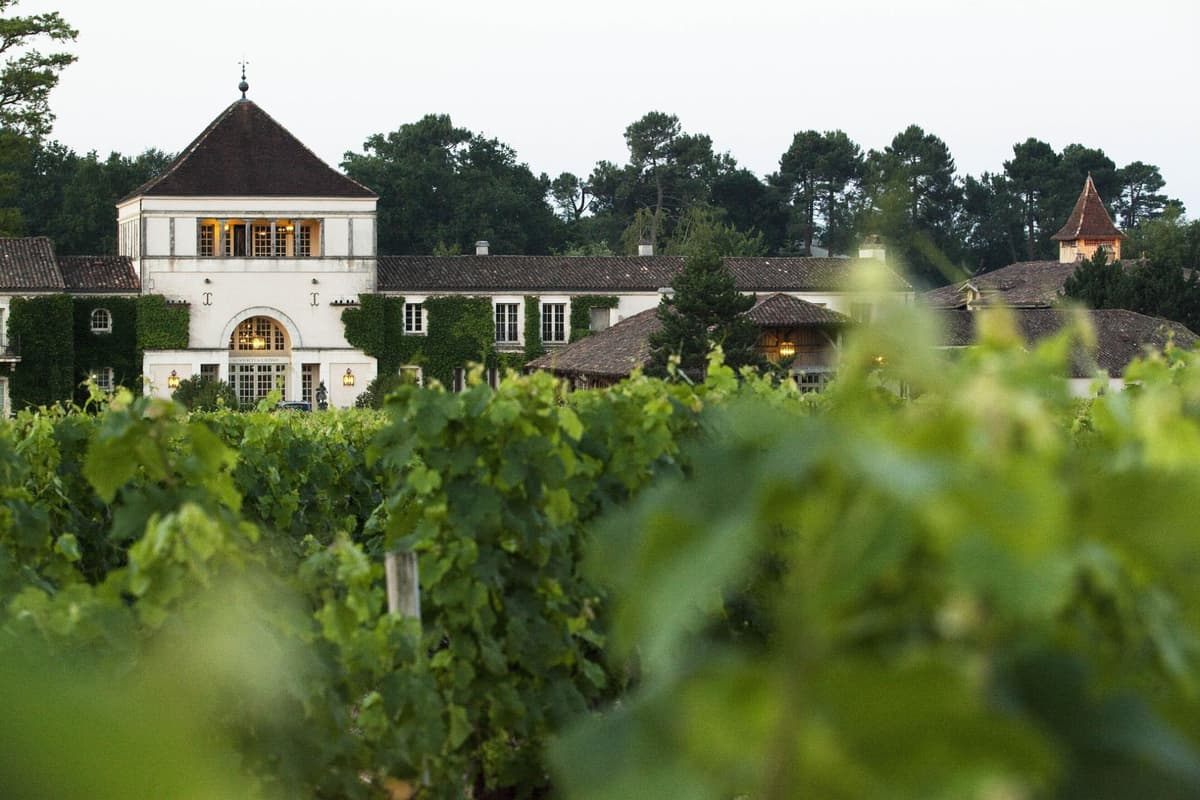
Logroño itself sells out months ahead of San Mateo, but the DOCa Rioja region is small enough that staying at a winery hotel 20–45 minutes away gives you the best of both worlds: vineyard mornings and festival evenings. Hotel Marqués de Riscal, the Frank Gehry-designed landmark in Elciego, is the headline option for a splurge; Eguren Ugarte offers cellar-tour stays carved into the hillside; and several smaller family-run bodegas put you closer to the working harvest. All eight properties below sit inside Rioja Alta or Rioja Alavesa, the two sub-zones closest to Logroño.
Hotel
4.3(1,253 reviews)
Eguren Ugarte
Rioja, Rioja Alavesa, Spain
Starting from
$155 /night
Hotel
4.5(780 reviews)
Hotel Viura
Rioja, Rioja Alavesa, Spain
Starting from
$225 /night
Hotel
4.8(235 reviews)
Palacio de Samaniego
Rioja, Rioja Alavesa, Spain
Starting from
$236 /night
Hotel
4.3(347 reviews)
DWO Rioja Wine Hotel
Rioja, Rioja Alavesa, Spain
Starting from
$61 /night
Hotel
4.3(463 reviews)
Hotel Finca De Los Arandinos Bodega
Rioja, Rioja Alta, Spain
Starting from
$153 /night
Hotel
4.7(587 reviews)
Hotel Bodegas FyA
Rioja, Rioja Alavesa, Spain
Starting from
$140 /night
Guest House
4.9(150 reviews)
Bodegas Puelles
Rioja, Rioja Alavesa, Spain
Starting from
$1080 /night
Book Early
Hotels in central Logroño routinely sell out 4–6 months before San Mateo week. If you can't lock the city, target Haro, Elciego, Briones or Laguardia — all under 45 minutes by car and full of bodega hotels.
Where the Festival Happens
Logroño's casco antiguo (old town) is highly walkable, and almost every event sits within a 15-minute stroll of the others. The four anchor venues:
Plaza del Ayuntamiento (Town Hall Square)
Opening ceremonies launch from the Casa Consistorial balcony, fired by the mayor and that year's elected Vendimiadores Mayores (Head Vintners).
Paseo del Espolón
The wide promenade hosts the harvest's most photographed moment — children from across La Rioja crush the first grapes by foot in a traditional lagar (treading vat).
Calle Laurel & Calle San Juan
Two of Spain's most famous tapas streets. A few dozen bars in two compact blocks; one pintxo and one glass of Rioja per stop is the local rhythm.
Riverbank & Concha del Espolón
Concerts, the fireworks competition, and most large open-air events run along the Ebro riverfront and at the bandshell in the Paseo del Espolón gardens.
A Short History of San Mateo
The festival traces back to the 12th century, when Logroño was granted villa status and the right to hold an annual fair. It was later formally authorised by King Ferdinand VII in 1818 and Queen Isabella II in 1845. The wine-harvest framing was layered on much later — in 1956, when the city paired the religious feast with a civic celebration of the Rioja vintage. The combination stuck, and today it is the public face of Rioja wine tourism.
For context on the appellation itself: DOCa Rioja was first recognised as a Denominación de Origen in 1902 and was elevated to Calificada (DOCa) status in 1991 — the first wine region in Spain to earn the top classification. The official body, the Consejo Regulador del Vino de Rioja, now oversees roughly 66,000 hectares of vineyard across three sub-zones (Rioja Alta, Rioja Alavesa, Rioja Oriental) and the flagship grapes — Tempranillo, Garnacha, Graciano and Mazuelo for reds; Viura, Malvasía and Garnacha Blanca for whites.
Five Experiences That Define San Mateo
1. The Chupinazo
The festival officially opens with the chupinazo— a ceremonial rocket fired from the balcony of the Casa Consistorial by the mayor and the two Vendimiadores Mayores (a young man and woman in traditional Riojan dress). The square fills with the city's peñas — neighbourhood associations who run the chamizos (temporary venues serving wine and food) and drive the parade and music throughout the week.
The most photographed moment of the week: children from across La Rioja step into a traditional lagar on the Paseo del Espolón and crush the first grapes of the vintage. The resulting primer mosto (first must) is then offered to the Virgen de Valvanera, patron saint of La Rioja — a quiet but pivotal piece of the ceremony.
3. Rioja Wine Tastings & Bodega Visits
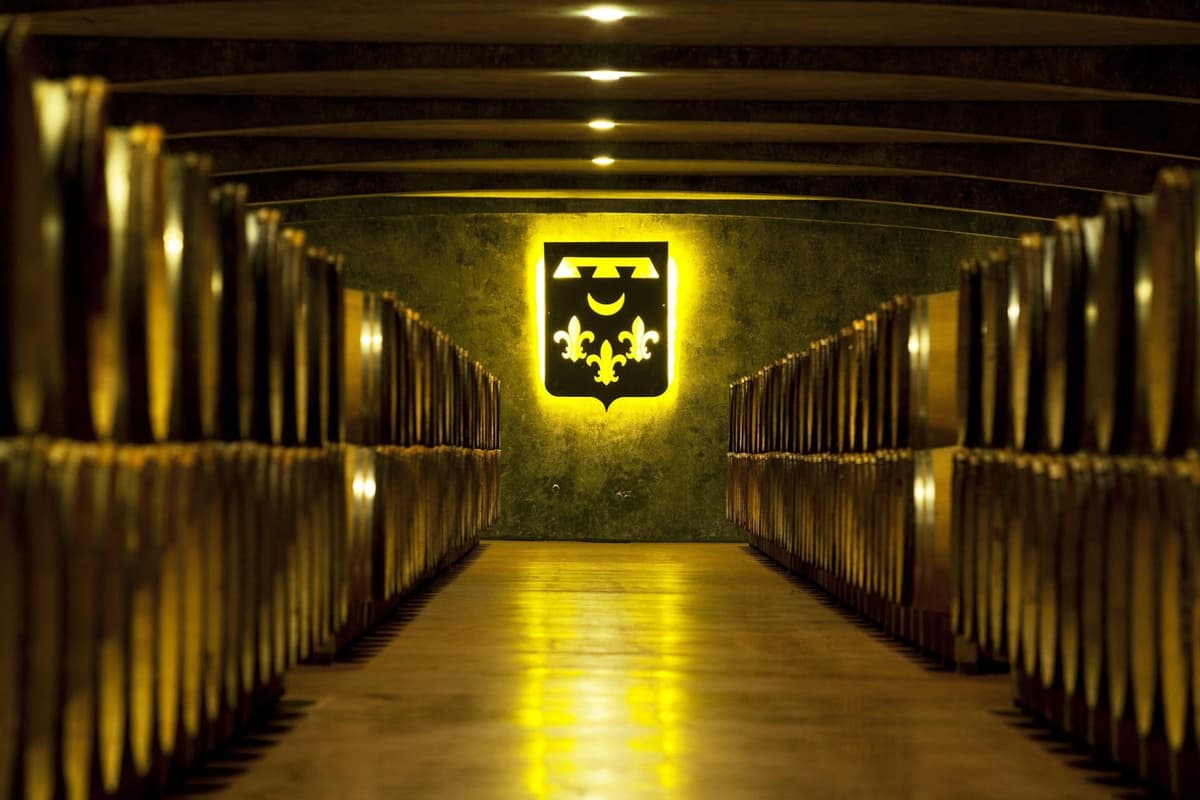
San Mateo week coincides with the working harvest, which makes it one of the best times of year to visit a winery. Many bodegas across Rioja Alta, Rioja Alavesa and Rioja Oriental open seasonal experiences — vineyard walks, barrel tastings, harvest lunches and limited single-vintage tastings. Because demand is at its annual peak, book at least two months ahead. For inspiration on the broader Spanish wine map, our guide to Spain's hidden wine regions is a good companion read.
Reserve Bodega Tours Ahead
Harvest is the busiest time of year for working wineries. Most bodegas cap visit numbers in September; confirm tour slots directly with each estate, ideally 6–8 weeks out.
No San Mateo trip is complete without a slow evening on Calle Laurel, where the unwritten rule is "one pintxo and one glass per bar." House classics worth seeking out: patatas a la riojana, chuletillas al sarmiento (lamb chops grilled over vine cuttings), stuffed piquillo peppers, and the mushroom pintxos that Bar Soriano made famous.
Pace Yourself
Calle Laurel's tapas rhythm is deceptive — small glasses, small plates, but they add up quickly. Eating with each stop and drinking water in between is local custom for good reason.
Evenings stretch late — open-air concerts at the Concha del Espolón, the international fireworks competition over the Ebro, and the peña parade that fills the entire historic centre. The week closes Saturday night at 21:30 with the symbolic quema del barril.
Getting to Logroño
By train: Direct services from Madrid (≈3h 30m) and Zaragoza (≈2h). Check timetables on Renfe. By car: The AP-68 motorway connects Logroño to Bilbao, Zaragoza and the broader Ebro Valley — the most flexible option if you plan to visit bodegas outside the city. By air: Bilbao Airport (BIO, ~1h 45m by car) is the most useful international gateway. Zaragoza (ZAZ) and Logroño–Agoncillo (RJL) handle limited domestic traffic.
Logroño also sits squarely on the Camino de Santiago's Camino Francés, so a slower arrival on foot through the wine country is a real option in late September.
September Weather & What to Pack
Late September in La Rioja is one of the year's sweet spots: daytime highs around 22–25°C, evening lows around 12–14°C, and low rainfall. Pack layered clothing (a light jacket for the riverfront after dark), comfortable walking shoes for the cobbles, and smart-casual clothing for winery visits. Sunglasses and sunscreen still earn their place in the bag.
Why San Mateo Is Worth the Trip
San Mateo is one of the few festivals in Europe that still ties a major city celebration directly to the working agricultural year. You drink the wine where it's made, watch the actual first grapes of the vintage being pressed in public, and stay within reach of bodegas that have been producing under the same DOC since 1902. For travellers building a wider harvest-season itinerary, our guides to wine harvest festivals worldwide in 2026 and global wine harvest seasons place Rioja in the broader European calendar.
Three Rioja properties stand out for festival-week stays — close enough to commute into Logroño by evening, far enough to wake up in the vines:
Hotel
4.8(235 reviews)
Palacio de Samaniego
Rioja, Rioja Alavesa, Spain
Starting from
$236 /night
Hotel
4.5(780 reviews)
Hotel Viura
Rioja, Rioja Alavesa, Spain
Starting from
$225 /night
Sources & Further Reading
Ayuntamiento de Logroño — official municipal site; San Mateo programme and venue details are published here annually.
Final programme details for San Mateo 2026 are confirmed by the Logroño City Council closer to the event — always cross-check dates and ticketed events with the official source before booking non-refundable travel.
 Alex Osso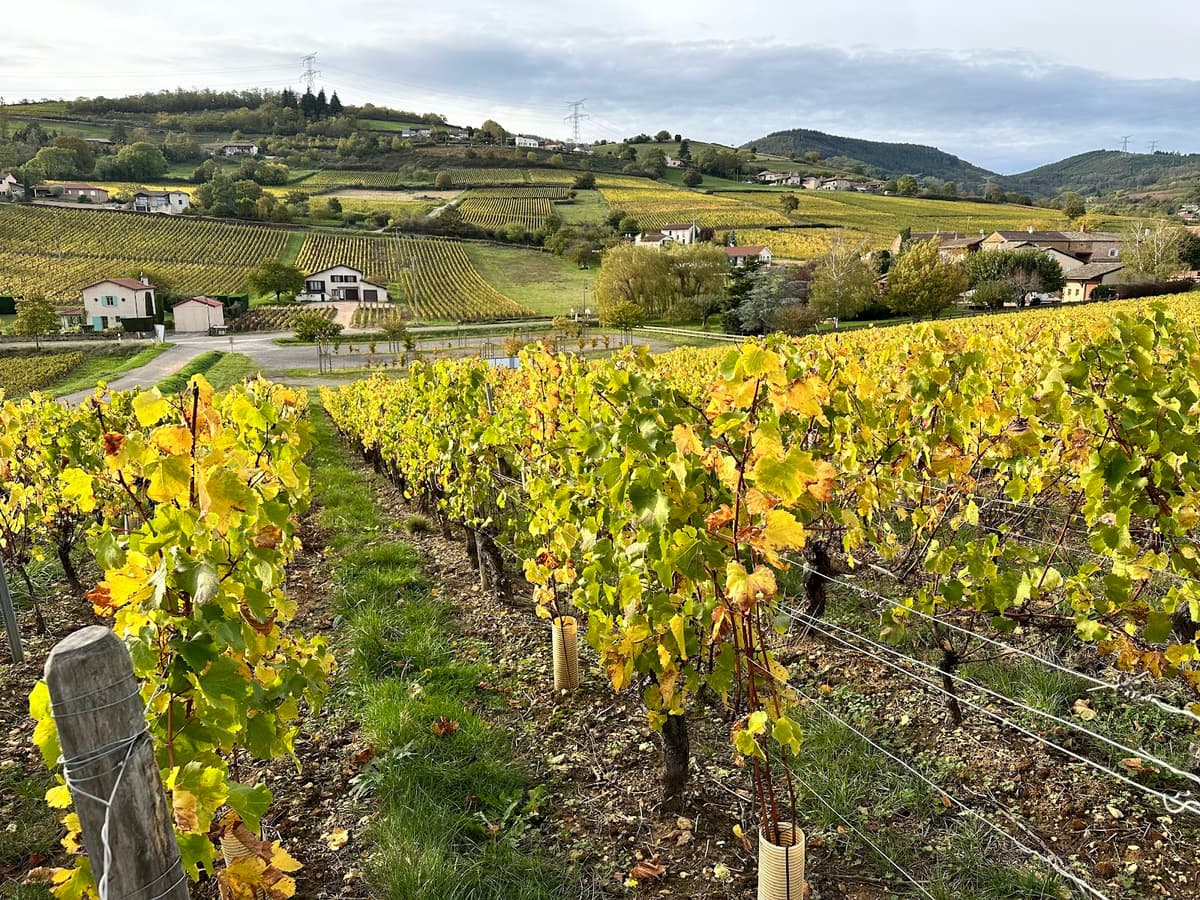

 Build your own directory


