What is a wine relais?
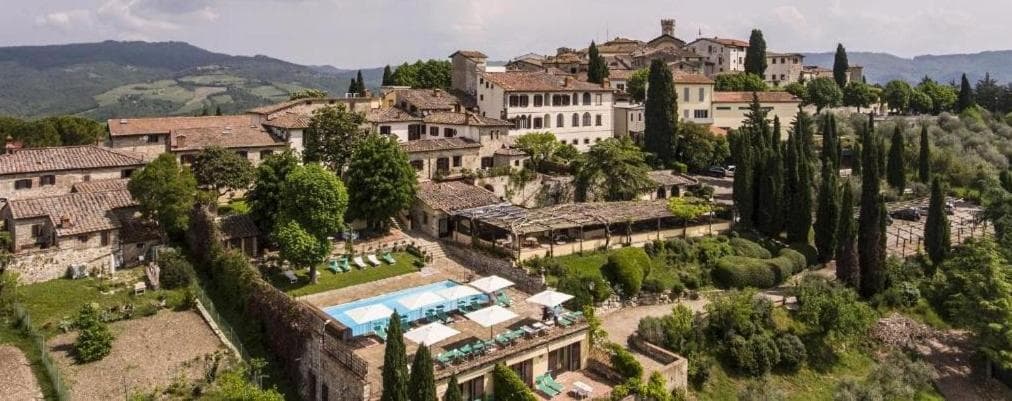
A wine relais is a small luxury hotel located on a working winery, almost always in Italy and most famously in Tuscany. The word relais is borrowed from French — it originally meant a coaching inn where horses were swapped on long journeys. In modern hospitality it signals a refined, intimate stay: a few dozen rooms at most, often inside a restored stone farmhouse, surrounded by the vineyards that supply the cellar downstairs.
The defining feature is vertical integration. At a wine relais, the wine you taste at dinner was grown, fermented, and bottled on the same property where you slept. The same family — or a closely-held estate — typically runs both the vineyard and the hotel, so the experience is end-to-end rather than transactional.
Most Italian wine relais cluster in Chianti Classico, Montalcino, Bolgheri, and the coastal Maremma. You'll also find the format used by estates in Sicily, Friuli, and Piedmont — but Tuscany remains the heartland and the search query "wine relais Tuscany" is what most travellers actually have in mind.
How a wine relais differs from an agriturismo, hotel, or B&B
Italian rural hospitality covers a spectrum, and the labels matter. Here is how a wine relais fits in:
- Agriturismo: A working farm that takes guests, regulated under Italian law to source most of what it serves from on-site agriculture. Often rustic, family-run, and the most affordable option. May or may not produce wine.
- Wine relais: A more polished, design-led version of the agriturismo idea — built specifically around the wine experience. Expect a sommelier on staff, a tasting room, possibly a spa, and rooms that prioritise comfort over rusticity.
- Wine resort: A larger property with hotel-grade amenities (pool, restaurant, often a spa) attached to a winery. The line between "wine relais" and "wine resort" is fuzzy — relais is generally smaller and more intimate.
- Boutique hotel: A small luxury hotel without an agricultural component. May be near vineyards but isn't producing wine on-site.
- B&B / locanda: Bed-and-breakfast accommodation in a private home or small inn. Charming, but no winemaking and no curated wine programme.
A useful rule of thumb: if a property sells its own wine in its own restaurant from a cellar you can walk into, it's almost certainly a wine relais or wine resort. If it just recommends local wines, it's a hotel.
What to expect during a wine relais stay
The day flows around the wine. A typical 48-hour stay looks something like this:
- Morning: Breakfast at a long communal table, often featuring estate-pressed olive oil, local pecorino, and house-made jams.
- Late morning: Vineyard walk or ebike loop with the cellar master. In Tuscany this often includes a visit to the Vinsanto attic where dessert wine ages in small barrels under the roof.
- Afternoon: Cooking class, tasting flight, or a quiet pool session. Many relais run truffle hunts in autumn and harvest participation in late September.
- Evening: Estate-paired dinner — six or seven courses, each with a glass from a different vintage of the relais's own wines. Service is unhurried; expect three hours at the table.
Properties at the higher end add a vinotherapy spa (grape-based skincare originated in Bordeaux but is now standard at top Italian relais) and private tastings with the winemaker.
The most popular Tuscan wine relais
Among English-speaking travellers searching "wine relais Tuscany", a handful of properties show up repeatedly. They share three traits: a long winemaking history, design-led rooms, and a restaurant of national reputation.
See the full collection on our Tuscany winery hotels page.
How to choose a wine relais in Tuscany
The Tuscan wine map is broad, so match the relais to the kind of trip you want:
- For Sangiovese-driven Chianti Classico: relais between Florence and Siena (Castellina, Radda, Greve). Rolling, classic Tuscan scenery; easy day-trips to Siena.
- For Brunello di Montalcino: properties in or around Montalcino itself. Quieter, more austere stone-walled hilltop towns; big, age-worthy reds.
- For Super Tuscan / Bordeaux-style blends: the coastal strip of Bolgheri. Warmer climate, more design-forward properties, sea air.
- For Maremma wine resorts: south-west Tuscany, where Cabernet, Merlot, and Vermentino thrive. The closest Tuscan wine zone to a beach holiday.
- For Vino Nobile: hill towns around Montepulciano. Often combined with a side-trip to Pienza for pecorino.
Best time to visit a Tuscan wine relais
Tuscany's wine calendar peaks twice. Late September is harvest, with vendemmia experiences open to guests and the cellars alive — book six months ahead. Late April through early June is the other sweet spot: vines are in bloom, days are long, and most relais run shoulder-season rates. July and August are hot and crowded; mid-November to mid-March is quieter but many smaller relais close for the winter.
Quick reference: wine relais FAQ
- Is "wine relais" an official designation? No — unlike "agriturismo", which is regulated under Italian law, "wine relais" is a marketing term that any boutique winery hotel may use.
- How many rooms does a typical wine relais have? Usually 8–30. Anything larger tends to call itself a "wine resort" instead.
- Do you need a car? Almost always, yes. Most Tuscan relais are 5–15 km from the nearest town, on small roads, with no convenient public transport.
- Are children welcome? Most are family-friendly with pools and farm experiences. A handful of design-led estates are adults-only — check before booking.
- What's the typical price range? €280–800 per night for a standard double, more for suites in harvest season. Pricing usually includes breakfast and access to wine tastings; estate dinners are extra.

 Alex OssoSep 1, 2026


 Build your own directory