What is eno tourism?
Eno tourism — sometimes spelled oenotourism, enotourism, or simply wine tourism — is travel built around the experience of wine. It's not just visiting a winery; it's structuring an entire trip around the regions, properties, people, and culture that produce wine. The term comes from the Greek oînos ("wine") plus tourism, and it has been used in European travel marketing since the 1990s to distinguish serious wine-led travel from casual cellar-door visits.
In practice, eno tourism covers everything from a Saturday afternoon tasting at a single chateau to a two-week multi-region trip with harvest participation, sommelier-led blind tastings, vineyard hikes, and dinners at producer-owned restaurants. The defining trait is intentionality: the wine is the reason for the trip, not a side activity.
How eno tourism differs from regular wine tourism
The two terms are often used interchangeably, but in industry usage there's a useful distinction:
- Wine tourism describes any travel that includes wine as part of the itinerary — a tasting on a Tuscany honeymoon, a cellar door visit during a Napa weekend.
- Eno tourism implies a deeper engagement: choosing the destination because of its wine, building the itinerary around specific producers, and treating the cellar visits as the trip's spine rather than a sidebar.
For travel businesses, "eno tourism" signals a higher-spending, longer-staying, more curious audience. For travellers, it's a useful filter when researching: a property marketing itself as eno-tourism-focused is more likely to have a sommelier on staff, structured tastings, and cellar access than one that simply has wine on the menu.
What does an eno tourism trip include?
A well-designed eno tourism itinerary typically blends four kinds of experience:
- Cellar and vineyard visits. Guided tours of the production facility, walks through the vines, and tastings poured by the winemaker (or, at busier estates, a trained host). Expect 1.5–2 hours per producer.
- On-site stays at wineries. Sleeping inside the property is the highest-impact form of eno tourism — vineyard mornings, cellar dinners, no rushed driving. France calls these stays "chambres d'hôtes" or "châteaux" hotels; Italy uses "agriturismo" or "wine relais"; Spain uses "bodegas con encanto"; Portugal uses "quintas".
- Harvest and seasonal experiences. Vendemmia (Italy), vendange (France), and vendimia (Spain/Latin America) are the late-summer harvest periods. Many estates open guest grape-picking, foot-treading, and blending sessions in September and October.
- Regional gastronomy and culture. Eno tourism explicitly includes the food, history, and architecture that surround the winery. A Bordeaux trip without oysters at Cap Ferret, or a Mendoza trip without asado, would be incomplete.
Where to experience eno tourism
Eno tourism is most developed in Europe — France, Italy, Spain, and Portugal each have multi-decade hospitality cultures built around it — but New World regions have caught up fast. The destinations below are deliberate starting points: each has the infrastructure (vineyard hotels, public-facing cellars, organised tastings) to support a multi-day trip.
- France — the global benchmark for luxury eno tourism. Bordeaux for château stays, Burgundy for terroir purists, Champagne for the cellars, Provence for rosé and sun, Loire for variety.
- Italy — strongest in Tuscany, Piedmont (Barolo, Barbaresco), and Sicily. Italy invented the wine-relais format and produces some of the most polished agritourism stays.
- Spain — Rioja is the obvious entry point, paired with Penedès and Priorat. Frank Gehry's Marqués de Riscal hotel made luxury Rioja eno tourism mainstream.
- Portugal — quintas in the Douro Valley deliver some of Europe's most photographed vineyard scenery. Alentejo's wine hotels are quieter and more design-led.
- Argentina — Mendoza set the New World standard for vineyard lodges, with Uco Valley as the design epicentre.
- New Zealand — Hawke's Bay and Marlborough lead, with standout properties like Black Barn and Craggy Range.
- Australia — the Yarra Valley, Barossa, and Margaret River all run mature eno tourism programmes.
- USA — Napa and Sonoma are the obvious headliners, but Willamette Valley (Oregon) and Walla Walla (Washington) have emerging boutique eno tourism scenes.
Featured wineries for eno tourism
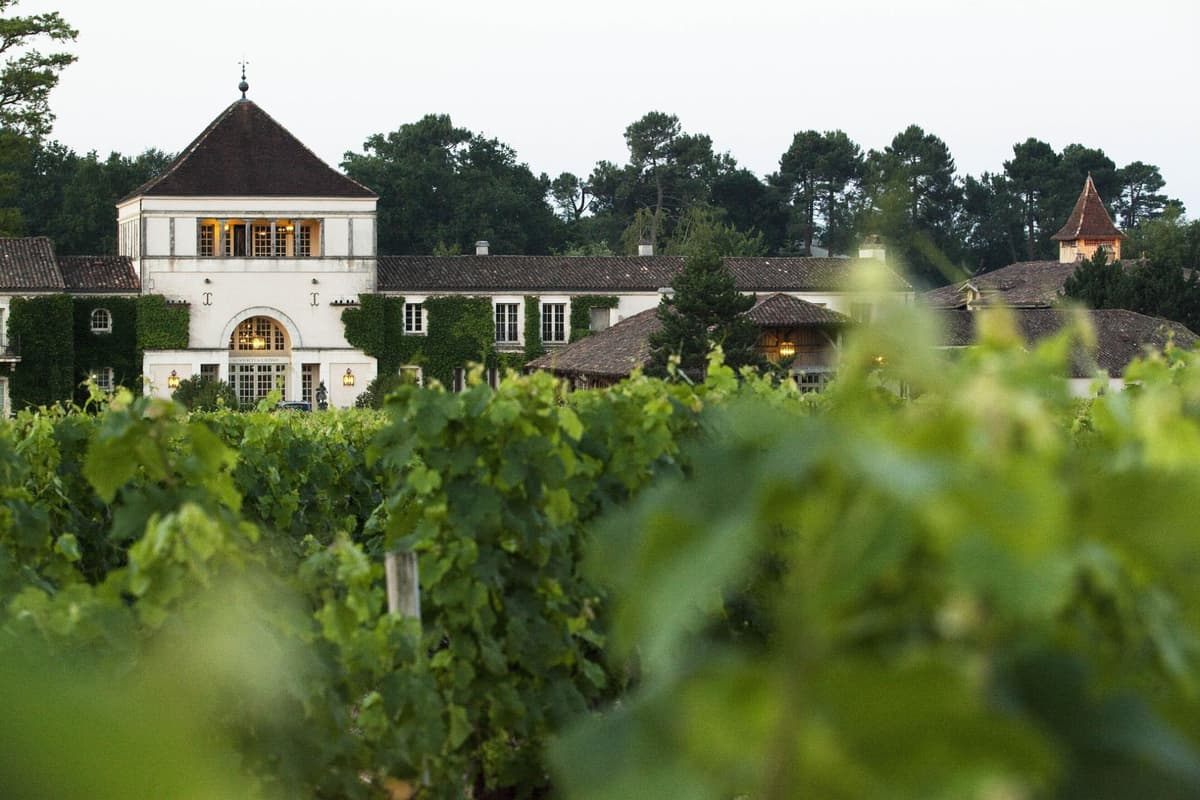
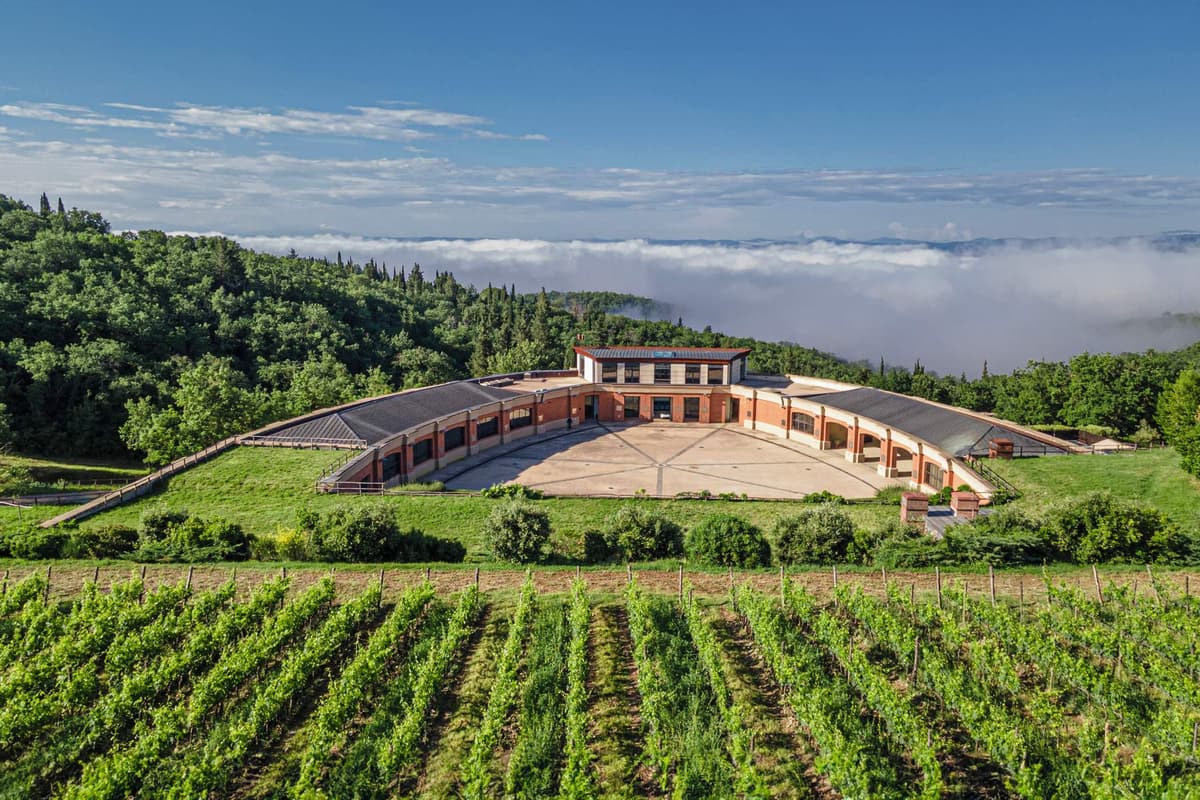
A starting list of properties with everything an eno tourist looks for: cellar access, on-site accommodation, a serious restaurant, and a producer who will sit down with you:
How to plan your first eno tourism trip
- Pick one region per week. A common mistake is trying to combine Bordeaux + Tuscany + Rioja in ten days. Each region rewards three to five nights minimum.
- Book cellar visits in advance. The best estates limit guest numbers and require appointments — sometimes weeks ahead in harvest season.
- Sleep on the property when possible. Driving back to a city hotel after a five-glass tasting menu is a planning failure. On-site accommodation also unlocks early-morning vineyard walks and late cellar tours.
- Pace the tastings. Two cellar visits per day is sustainable; three is the absolute ceiling. Spit at structured tastings. Drink properly at dinner.
- Time the harvest. September in the Northern Hemisphere (Italy, France, Spain), February to April in the Southern Hemisphere (Argentina, NZ, Australia). Book six months ahead for either.
Eno tourism FAQ
- Is "eno tourism" the same as "oenotourism"? Yes — they're spelling variants of the same concept. "Oenotourism" is more common in academic and EU policy writing; "eno tourism" is more common in travel marketing. Both are valid.
- Do I need to be a wine expert? No. Most eno tourism properties cater to enthusiasts at every level. The best winemakers are happy to teach beginners — but be honest about your experience so they can match the conversation.
- Is eno tourism expensive? It can be — luxury château stays in Bordeaux start around €500/night — but France's chambres d'hôtes, Italy's agriturismi, and Portuguese quintas often run €120–200/night with breakfast included.
- What's the difference between eno tourism and agritourism? Agritourism is broader — any farm-stay including grain, olive, cheese, or livestock farms. Eno tourism is the wine subset, but in practice many wine-focused agritourismi market under both labels.

 Alex Osso2026年9月7日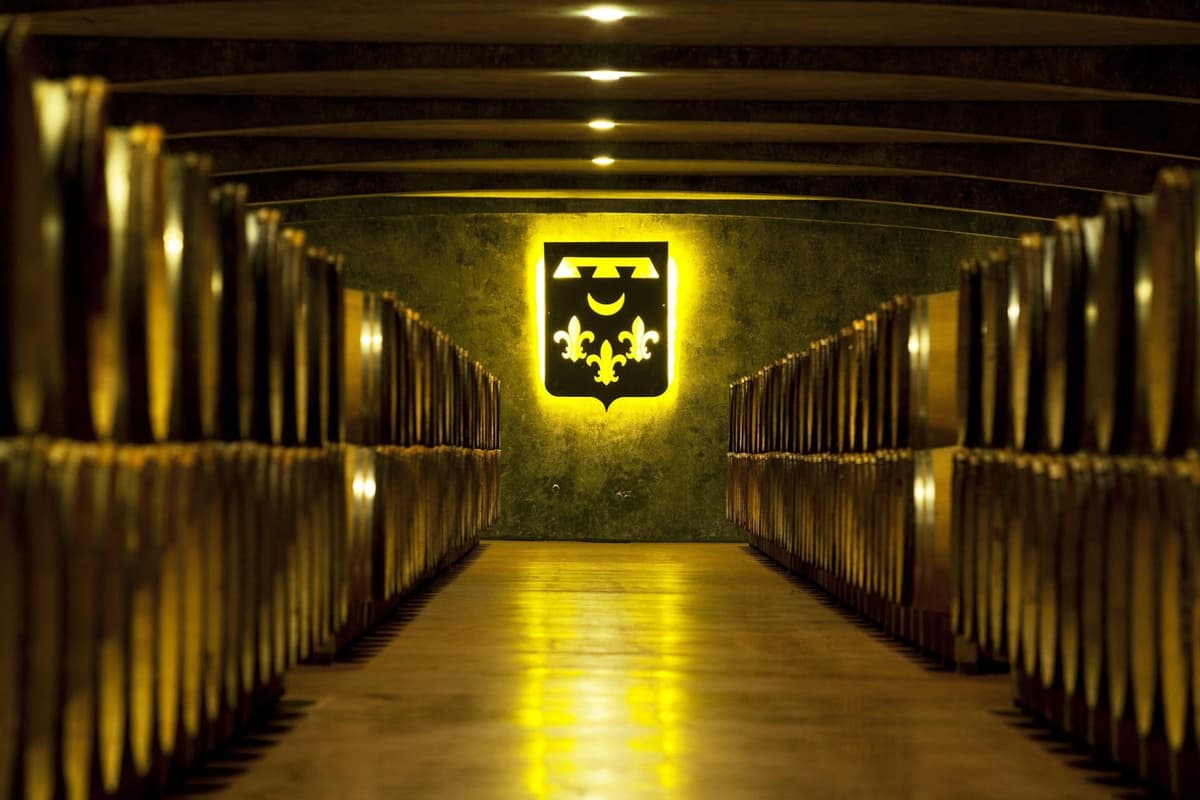

 创建您自己的目录


