

🇺🇾Explore wine destinations
Winery hotels & vineyard stays in Uruguay
Browse 5 winery hotels and vineyard stays in Uruguay — from wineries with lodging and boutique vineyard inns to luxury wine resorts, with cellar-door wine tasting, vineyard tours and wine-country escapes across its wine regions.
Jump to listingsShowing 1–5 of 5 stays
 Hotel4.8(165 reviews)
Bodega Spinoglio
Metropolitan, Canelones, Uruguay
Wine tastingWine tastingVineyard tourVineyard tourBreakfastBreakfast+6 moreStarting from$220/night
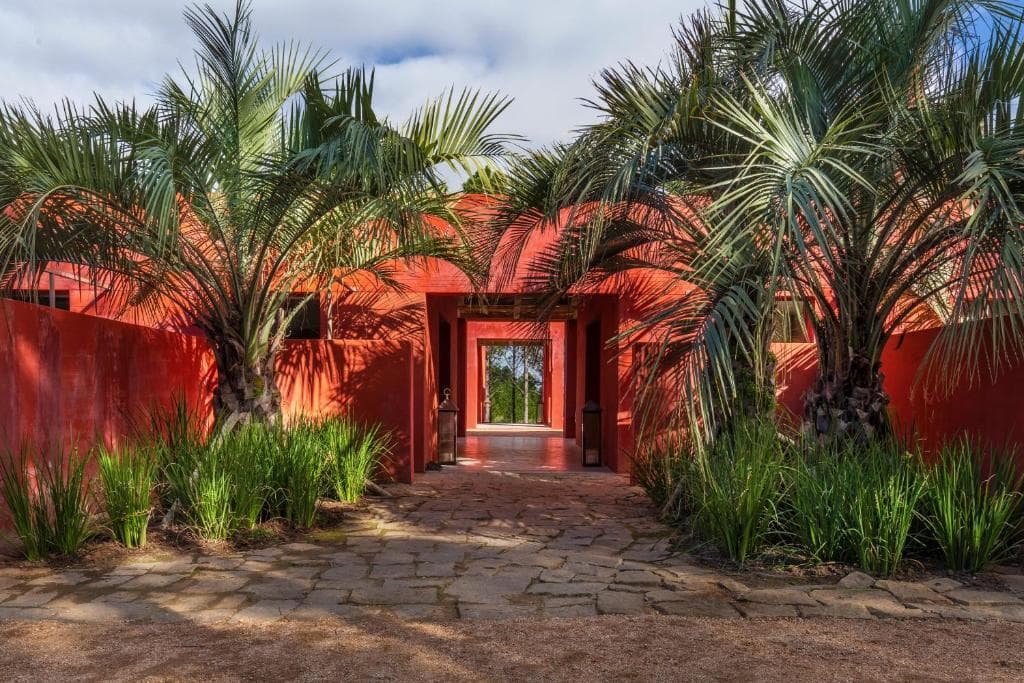 Hotel4.8(44 reviews)
Luz Culinary Wine Lodge
Oceanic, Garzón, Uruguay
Wine tastingWine tastingVineyard tourVineyard tourBreakfastBreakfast+12 moreStarting from$500/night
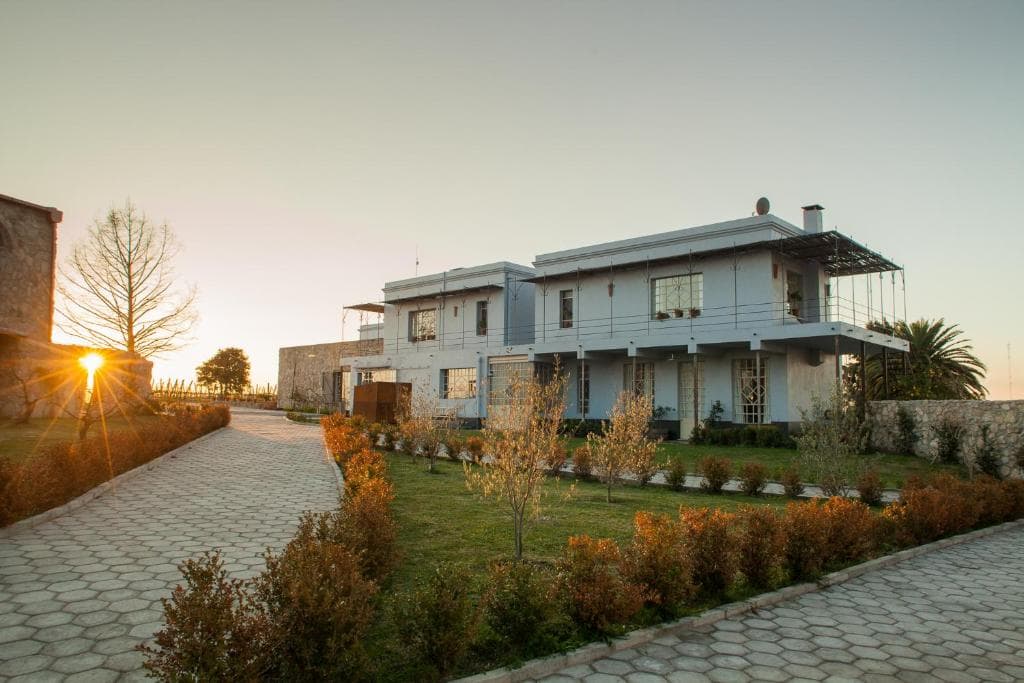 Hotel4.5(874 reviews)
Narbona Wine Lodge
Southern Riverside, Colonia, Uruguay
Wine tastingWine tastingVineyard tourVineyard tourBreakfastBreakfast+9 moreStarting from$345/night
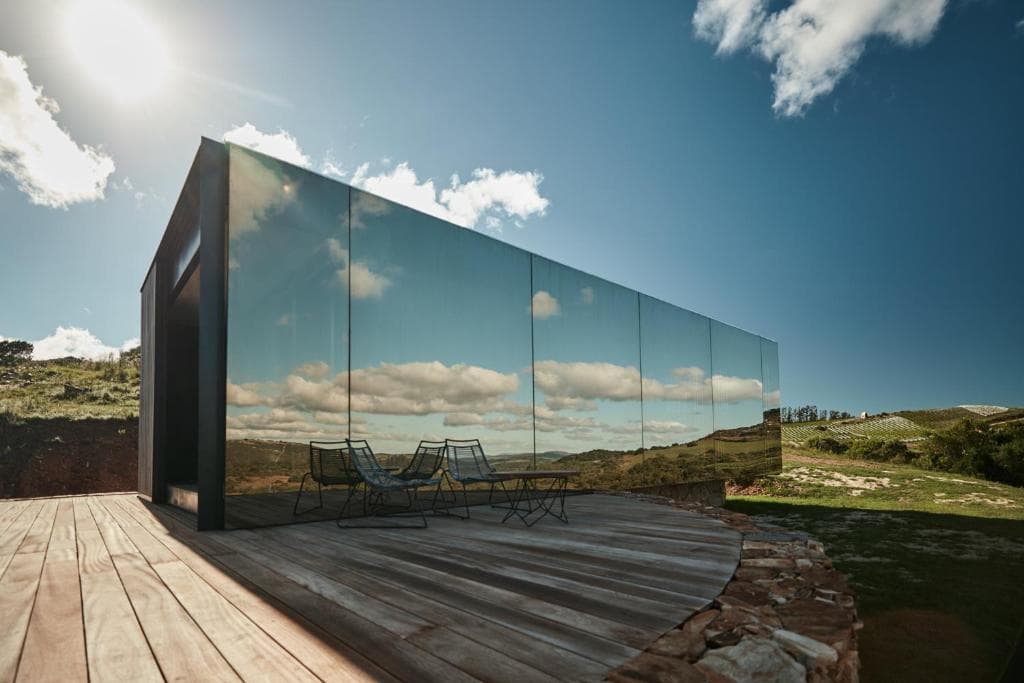 Hotel4.7(88 reviews)
Sacromonte
Central, Lavalleja, Uruguay
Wine tastingWine tastingVineyard tourVineyard tourBreakfastBreakfast+4 moreStarting from$590/night
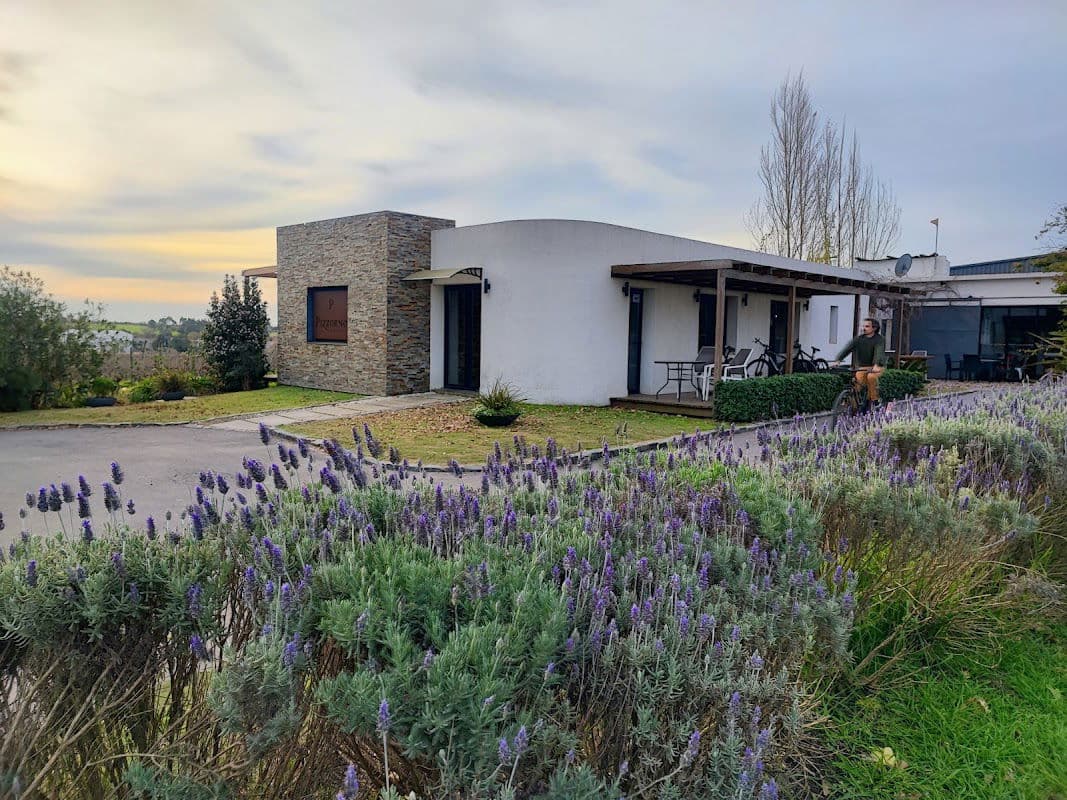 Hotel4.7(114 reviews)
Pizzorno Lodge & Wine
Metropolitan, Progreso, Uruguay
Wine tastingWine tastingVineyard tourVineyard tourBreakfastBreakfast+3 moreStarting from$83/night
A traveller's field guide to Uruguay's wine country
Tannat is Uruguay's calling card — a grape that arrived with Basque immigrants and found a second home across 9,023 hectares of Atlantic-cooled vineyards. Canelones, the country's most planted region, produces the bulk of the harvest, while Maldonado and Colonia offer coastal and riverside terroirs that temper the grape's natural intensity. Merlot, Cabernet Sauvignon, Syrah, and Chardonnay round out the palette, and Albariño is quietly earning international attention along the southern coast.
Wine tourism in Uruguay runs at a human scale. Vineyard estates near Montevideo are close enough to the capital for a morning drive, yet unhurried enough to linger over a barrel-aged Tannat with the winemaker. Colonia's rolling countryside and the broad Río Negro in Paysandú frame stays that mix riverine landscapes with cellar visits. Across all regions, the experience trades spectacle for conversation — long lunches, small production runs, and direct access to the families shaping each bottle.
- 6
- wine regions
- 6
- key varieties
- 4 red · 2 white
- grape mix
Where the wine is grown
Select a region to explore its terroir, altitude and signature grapes — the building blocks of Uruguay's wines.
Canelones
Tannat thrives across Canelones' clay and sandy loam soils, producing the structured reds that have defined Uruguayan wine since the 19th century, alongside Merlot and Chardonnay from sub-appellations like Las Violetas and Santa Lucia.
Canelones has been a significant wine-producing region since the 19th century, known for its Tannat wines.
humid subtropical with warm summers and mild winters · varied, including clay and sandy loams
Asado, chivito, and seafood dishes.
The grapes to know
How Uruguay's signature varieties express themselves here. Tap any grape to see where it's grown.
What makes Uruguay unmistakable
Tannat Dominance
Tannat, Uruguay's flagship grape, thrives in the diverse soils of Canelones and Maldonado, producing rich, bold reds that reflect the country's unique terroir.
Emerging Albariño
Albariño, primarily cultivated in coastal regions like Maldonado, is gaining international recognition for its crisp acidity and vibrant fruit flavors, showcasing Uruguay's evolving wine scene.
Asado and Wine
The tradition of asado, a communal barbecue, pairs seamlessly with Uruguayan wines, especially Tannat, creating a cultural ritual that celebrates both food and wine.
Frequently asked questions
Destinations
More wine destinations
Keep exploring the world's wine countries.
- SwedenNordic coastal freshness and boutique, cool-climate producers.Explore

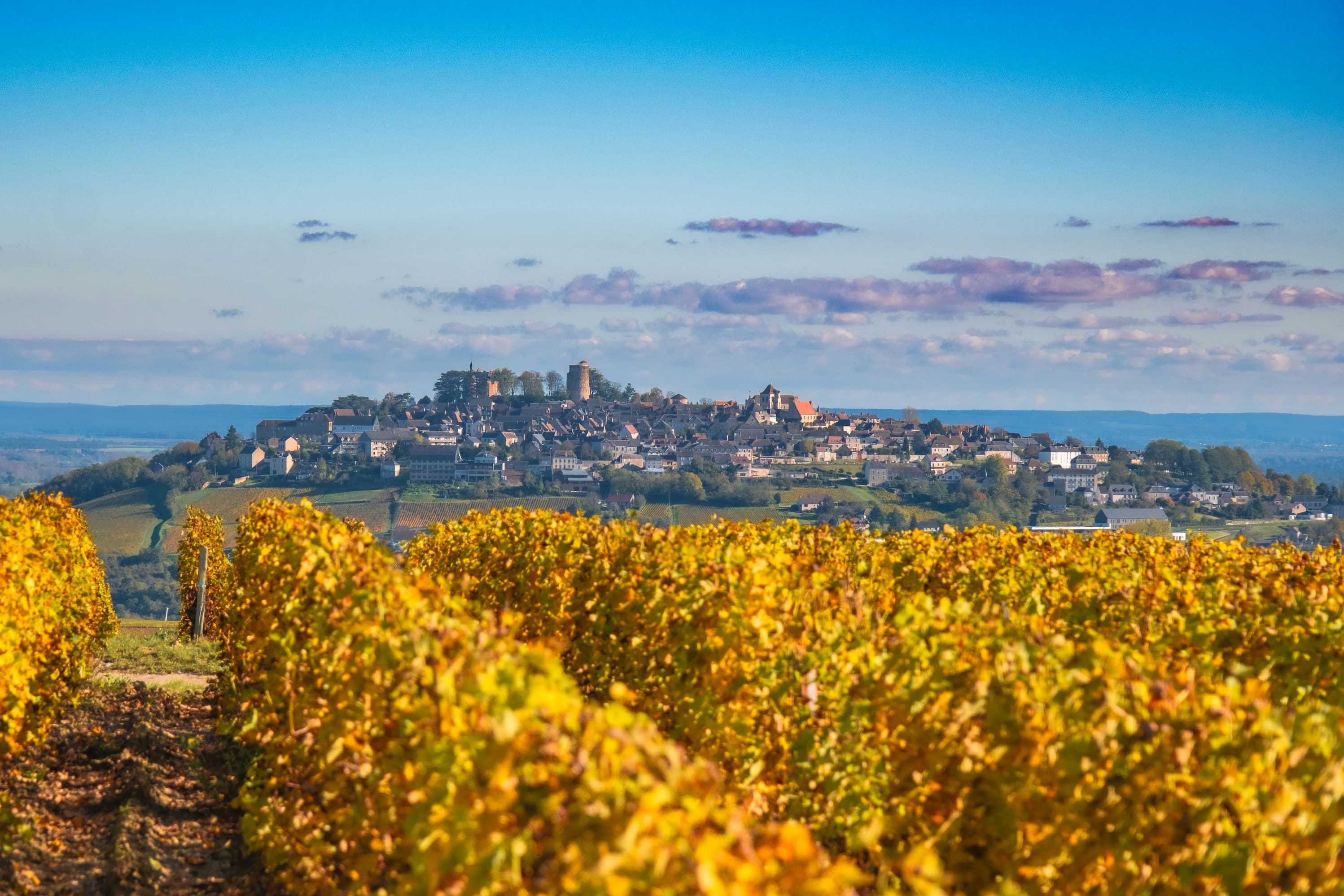
- FranceChâteaux stays, legendary terroirs, and Michelin-level gastronomy.Explore
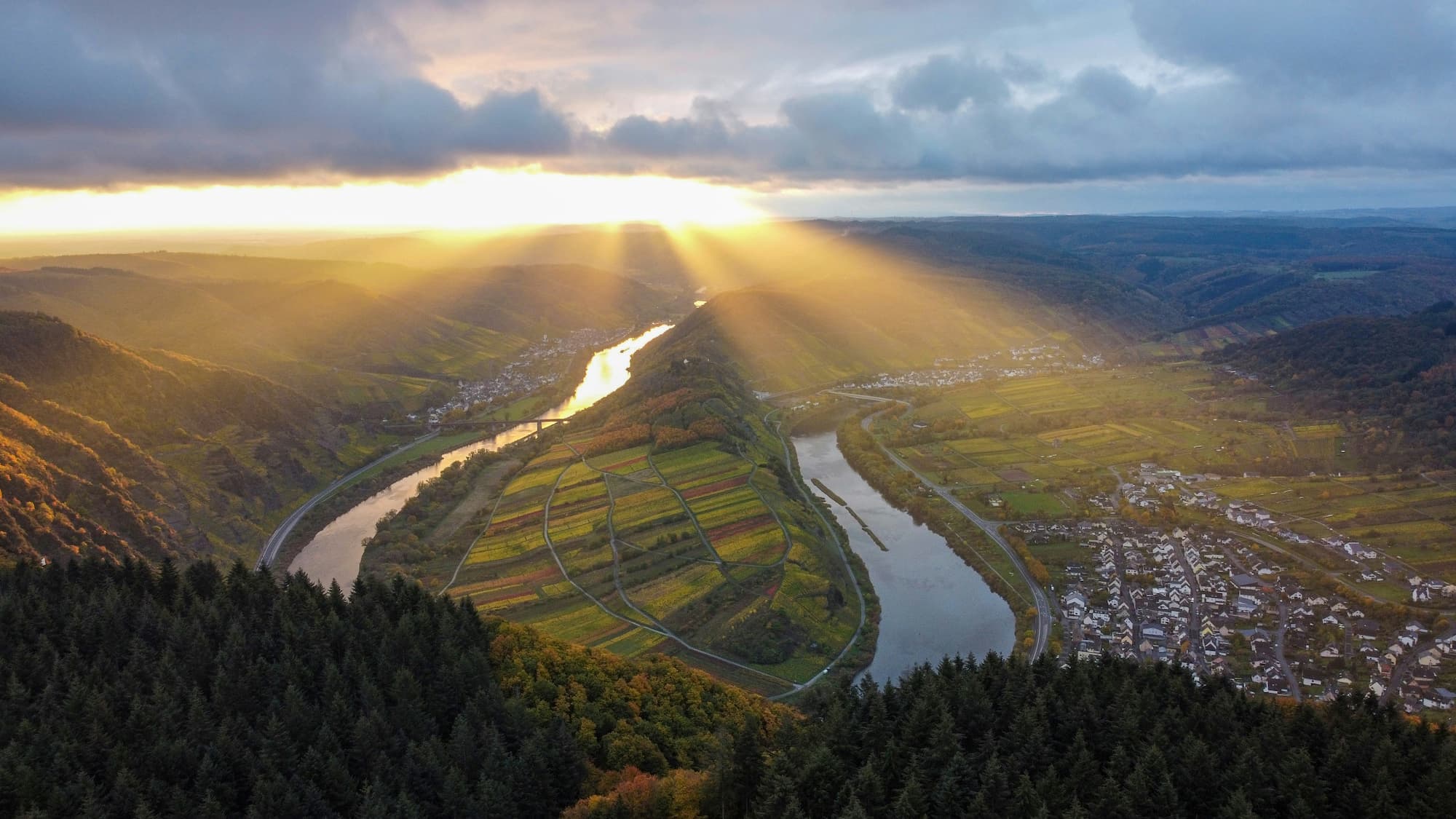
- GermanySteep-slope Riesling, timber towns, and romantic river valleys.Explore
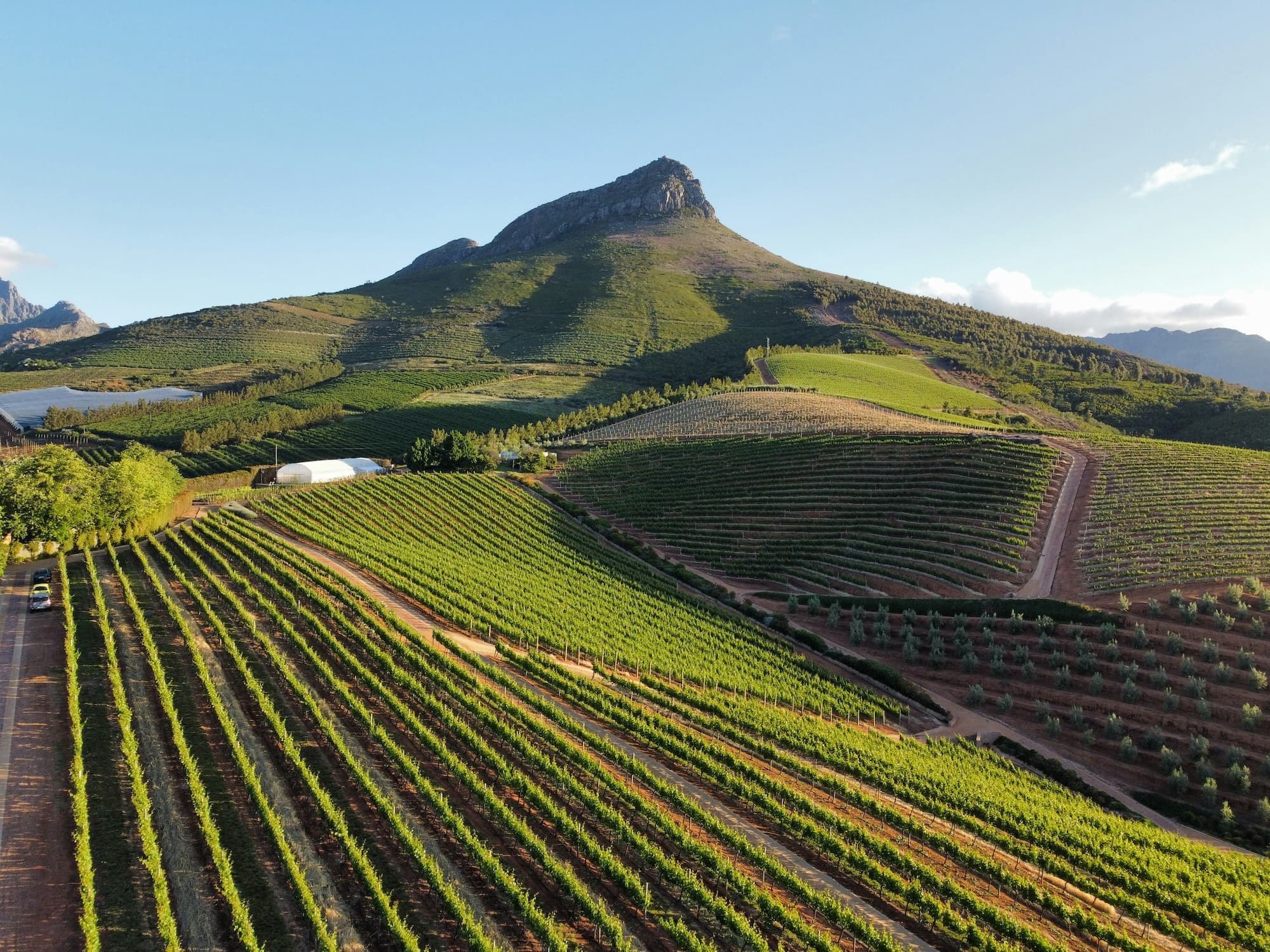
- South AfricaCape winelands: mountain drama, Cape Dutch charm, refined hospitality.Explore
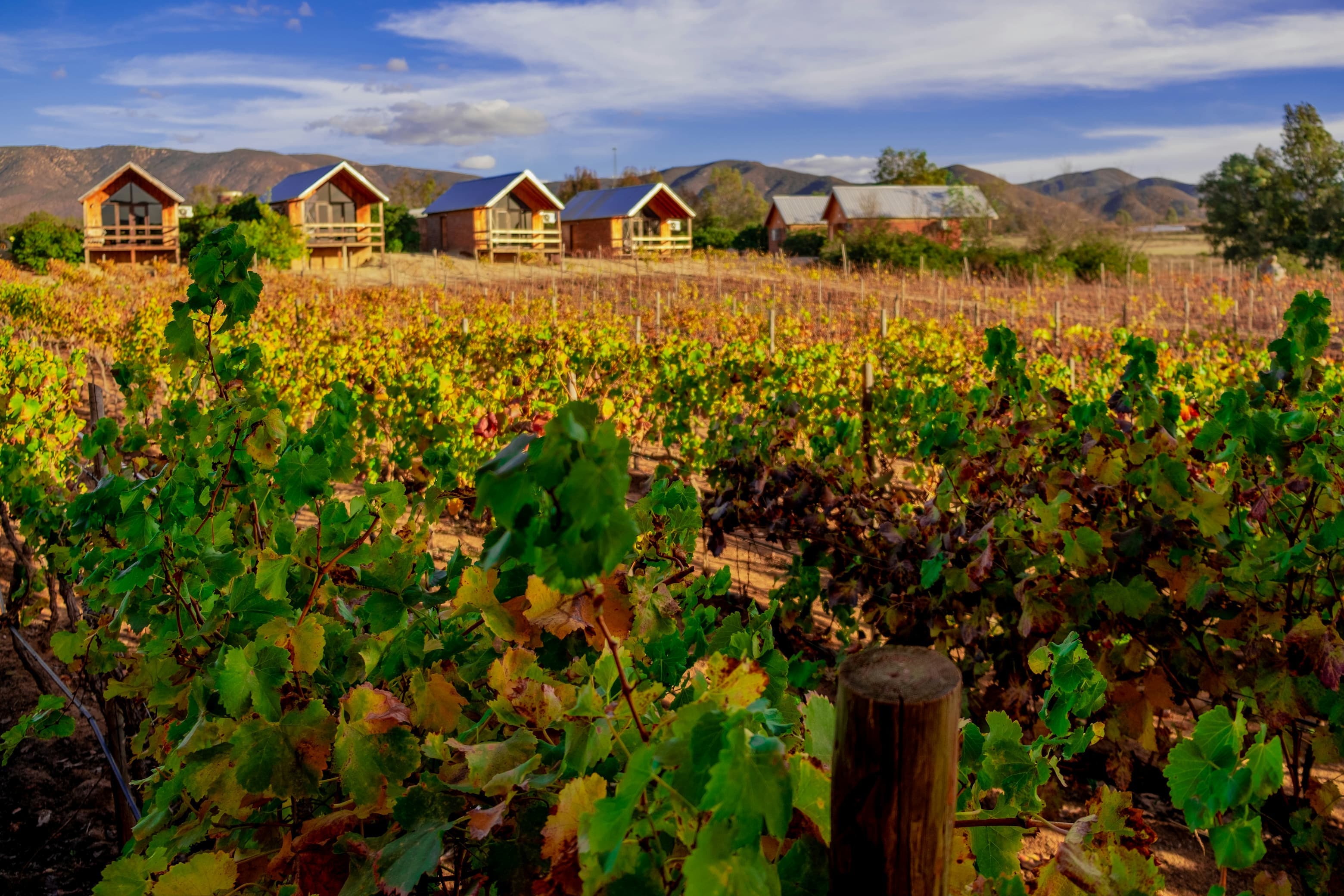
- MexicoValle de Guadalupe magic, Baja cuisine, and desert-meets-ocean terroirs.Explore
- ItalyAgriturismos, timeless villages, and world-famous regional wines.Explore

 Build your own directory