Michelin named 94 Burgundy estates. We opened 33 of their websites: two sell a visit online, and none of the nine top domaines publish a bookable tour.
The World's 50 Best Vineyards is a ranking of visits, not of wines. That single sentence resolves most of the confusion around it, and almost every argument the wine trade has had about the list since it launched comes back to the fact that the name does not say so.
The organisers are explicit about this. Their published voting rules state that for the purposes of the list, a “vineyard” means a winery or estate that offers a visitor experience — not necessarily the land where grapes are grown. Votes are cast on tours, tastings, hospitality, architecture, food and the surrounding environment, and the rules say so in as many words: rather than solely on wine quality or where the grapes are grown. There is exactly one eligibility criterion about the estate itself, and it is not about viticulture: the place must be open to the general public during the voting period.
For anyone choosing a winery hotel or planning a route through wine country, that is not a flaw — it is the whole point. A wine score tells you what is likely to be in the glass. This list tells you whether several hundred well-travelled professionals thought the afternoon was worth the drive. Those are different questions, and the second one is the one you are actually asking when you book.
The catch is that a high placing still does not mean you can sleep there, and in a good number of cases it does not even mean you can walk in without an appointment. Below is how the ranking is built, what the numbers mean, what the trade objects to, and how to translate a placing into a trip you can actually book.
How the list is built: 20 regions, 720 voters, seven votes each
The list is organised and compiled by William Reed Limited, the same company behind the 50 Best restaurants and bars rankings. It has run annually since 2019, but 2025 was the first edition published under the “50 Best” name — before that it was simply The World's Best Vineyards. If you find older coverage using the shorter name, it is the same ranking.
The mechanism is a structured opinion poll. The world is divided into 20 regions, each headed by an Academy Chair. Each Chair recruits 36 voters from their region, which is where the widely quoted figure of 720 panellists comes from — the arithmetic is exact, not a rounded estimate. Panels mix sommeliers, wine journalists, travel and wine-tourism specialists and the international wine trade. At least 25% of each regional panel is replaced every year, which is the mechanism meant to stop the same names circulating indefinitely.
Every panellist gets seven votes, submitted in order of preference. Some regions cover more than one country, and how the map is carved up is decided annually by the organiser together with the Chairs — so the geography of the panel is itself a yearly editorial decision, not a fixed structure.
The published voting rules are stricter than the vagueness of “best” suggests. Voting is confidential until announcement. All voters except the Academy Chairs stay anonymous. Panellists may not discuss their selections with each other. They must have visited the estate in person since 1 January 2019, and are asked to confirm it when voting. They must vote for the vineyard experience, not the winemaker. They may not vote for an estate they work for or hold a financial or personal interest in. Crucially, they cannot vote on the strength of a tasting that happened somewhere else — a trade fair stand or a sample sent by post does not count. Anyone who breaks the rules or fails to complete the process is removed from the panel. No employee of the organiser or of a sponsor sits on the Academy.
The visit window matters more than it looks. A panellist voting in 2025 may be recommending an experience they had in 2019. Ownership, chefs, tasting-room formats and opening hours all change; a placing is a lagging indicator, so check the estate's own visits page for how things work today rather than assuming the ranking describes the current offer.
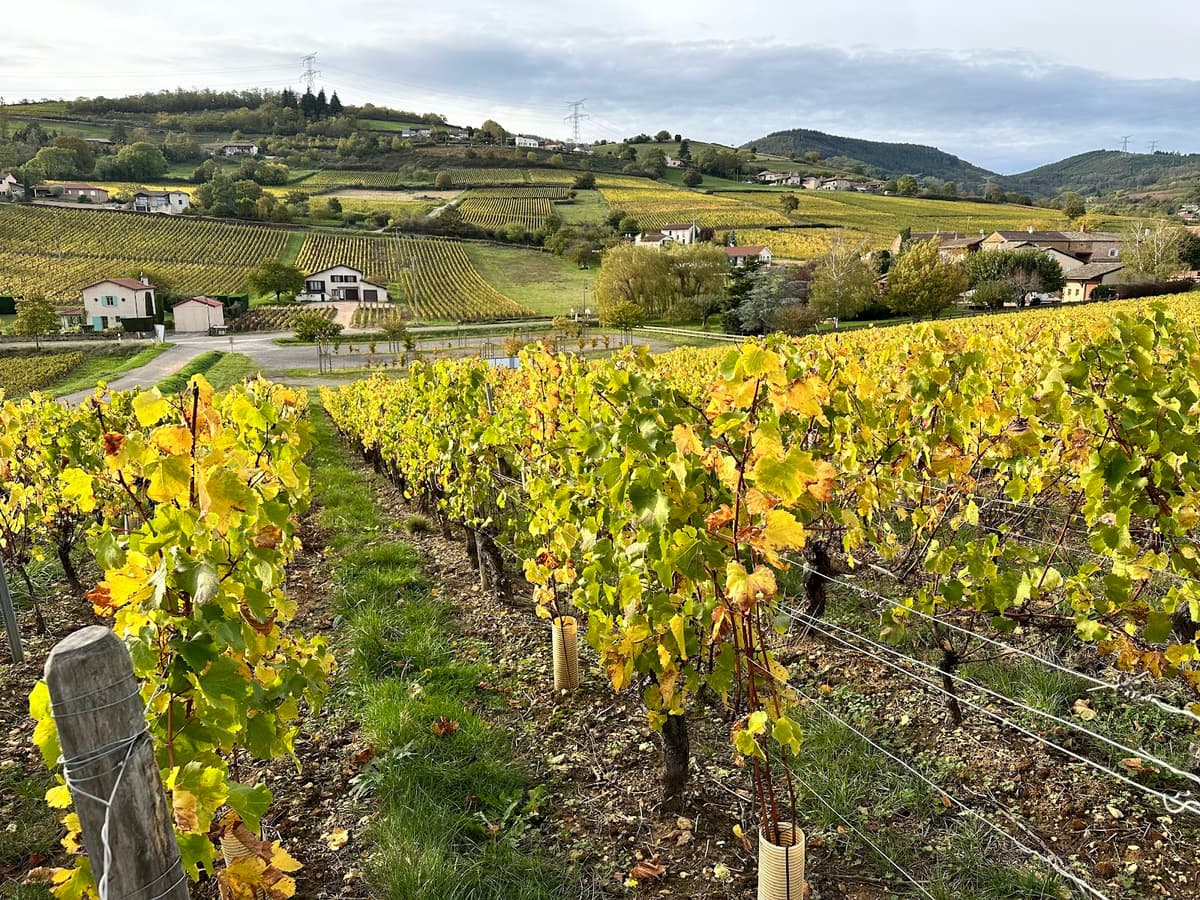
What the voters are grading: time spent among the vines. Riding through the vineyards at Castello Banfi in Montalcino — the estate ranks in the 51–100 band of the 2025 list.
The 2025 list, and what the top of it looks like
The 2025 ranking was topped by Vikin Chile's Millahue Valley — the first time a Chilean estate had taken the No.1 position, with seven other Chilean vineyards elsewhere on the list. Schloss Johannisberg in the Rheingau took No.2 and Bodegas Ysiosin Rioja No.3. Below them the top ten ran through Bodega Garzón in Uruguay, Château Smith Haut Lafitte in Bordeaux, Klein Constantia and Creation in South Africa, Maison Ruinart in Champagne, Château d'Yquem in Sauternes and Montes in Colchagua.
Alongside the main ranking the organisers publish an extended 51–100 list and a set of individual awards. In 2025 those went to Vik (Best Vineyard in South America), Schloss Johannisberg (Europe), Klein Constantia (Africa, and also the Highest Climber Award), Jordan Vineyard & Winery (North America), 98Wines (Asia), Cloudy Bay Vineyards (Australasia) and Aperture Cellars (Highest New Entry).
Read the geography of that list rather than the order of it and something useful appears. Rioja, Bordeaux, Champagne, Mendoza, the Douro, Tuscany and Piedmont recur again and again — and those are precisely the regions where estates have built rooms, restaurants and tasting rooms rather than only cellars. The list is, in effect, a map of where the wine world has invested in receiving people.
The Hall of Fame: five winners, and why the No.1 keeps changing
From 2022, any estate that has previously topped the poll is moved into a Hall of Fame and becomes ineligible for future editions. This is why the No.1 slot turns over so briskly — the reigning champion is structurally barred from defending it.
Zuccardi Valle de Uco, Mendoza, Argentina — voted the Best Vineyard in the World in 2019, 2020 and 2021, the only three-time winner.
Antinori nel Chianti Classico, Tuscany, Italy — Best Vineyard in the World 2022 and Best Vineyard in Europe 2022.
Catena Zapata, Mendoza, Argentina — Best Vineyard in the World 2023 and Best Vineyard in South America 2023.
Bodegas de los Herederos del Marqués de Riscal, Rioja, Spain — Best Vineyard in the World 2024 and Best Vineyard in Europe 2024.
Vik, Millahue, Chile — Best Vineyard in the World 2025, joining the Hall of Fame at the 2026 ceremony.
Two things follow from that table. First, South America has taken the top spot in five of the seven editions so far — Mendoza twice over, then Chile. Second, and more useful to a traveller: the Hall of Fame is a better shortlist than the current top ten, because it is permanent. A No.1 from 2022 has not become a worse visit; it has simply been retired from the competition.
The one Hall of Fame winner where the estate is the hotel
Of the five, one collapses the distinction between the ranked estate and the place you sleep entirely. Marqués de Riscal in Elciego, Rioja Alavesa, is both the 2024 Best Vineyard in the World and a hotel: the titanium and aluminium ribbons Frank Gehry draped over the building opened in 2006 and are now one of the most recognisable structures in European wine tourism.
The Gehry building at Marqués de Riscal, voted the Best Vineyard in the World 2024 — architecture is one of the things the Academy is explicitly asked to weigh.
The history underneath the metal is the part the photographs miss. The bodega was founded in 1858 and this is where the first Rioja wines were bottled, the first vintage following in 1862. The estate is also where the practice of wrapping Rioja bottles in golden wire mesh began: by the early twentieth century the wines were popular enough to need a seal against imitation. Marqués de Riscal is further credited with introducing white wines to nearby Rueda and supporting its elevation to DO status in the 1970s.
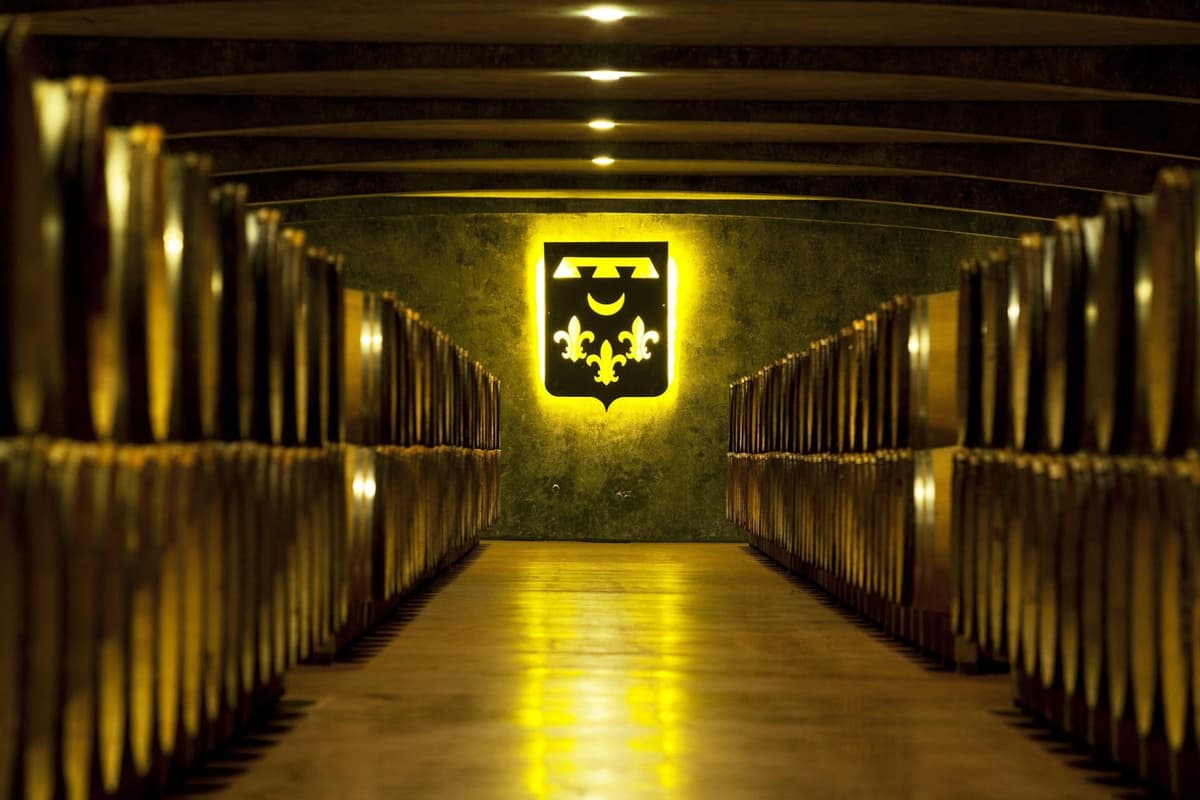
Beneath the architecture: barrel cellars at Marqués de Riscal, an estate bottling Rioja since 1858.
At the heart of the site is the Plaza del Reloj, where the original 1860 bodega holds old cellars with bottles going back to that first vintage. In 1883 the building was extended in the Bordeaux style; known as El Palomar, it is where the family's premium wines are made today. The vineyards can be covered on foot, by bicycle or on horseback.
A Hall of Fame plaque is not a room. Riscal is the exception, not the rule — of the five former No.1 estates, it is the only one where the winning entity and the accommodation are the same address. For the other four, a visit means booking a tour at the estate and a bed somewhere else nearby.
Why parts of the wine trade dislike the list
The 2025 edition drew sustained criticism from within the wine industry, and it is worth setting out fairly, because the objection is largely about the name rather than the methodology. In a January 2026 report, VinePair collected on-record complaints that the ranking rewards estates with the budget to build hotels, golf courses and showpiece tasting rooms, and that this crowds out small independent producers who would benefit most from the exposure. Commenters on the announcement post raised the absence of Burgundy; others speculated, without evidence, about pay-for-play.
That is a criticism of expectations as much as of the ranking. If you read the title as a claim about viticulture, the list is indefensible; if you read it as what its own rules say it is — a poll of visitor experiences — the complaint largely dissolves. The organisers concede the labelling problem themselves.
The second, more substantial objection is about who benefits. London-based importer Richard Bracken told VinePair the list amounts to “the usual suspects getting airtime rather than actually supporting the wine industry as a whole, which has some phenomenal independent producers.” Sleight's answer is that the ranking is young and designed to move: “It's designed, by subjective nature, to be dynamic, so we envisage it changing and growing with more new entries coming in over the years.”
There is a counterweight, which is that a structural bias toward estates that have invested in hospitality is exactly what makes the list useful to a traveller. A ranking that faithfully identified the finest terroir in each appellation would send you to a great many gates that do not open. This one, by construction, only contains places that receive visitors.
Whether the exposure is worth much is a separate question, and the reporting suggests it is: VinePair records that both Vik and Jordan Vineyard & Winery reported significant increases in sales, tasting-room visits, hotel bookings and social followers after publication, with Jordan citing a 26% rise in sales within 24 hours. Those are figures the wineries themselves gave; treat them as claims rather than audited results.
Four different badges, four different things measured
A traveller reading estate marketing will meet several marks that look interchangeable and are not. Keeping them apart is the single most useful piece of literacy in this field.
The World's 50 Best Vineyards — the visitor experience, voted by an academy of 720 wine and travel professionals who have been there in person.
The MICHELIN grape — the wine producer. It assesses winemaking, and says nothing at all about whether you can visit. We cover it in detail in our guide to the MICHELIN grape.
MICHELIN Keys — hotels. A separate distinction from stars, awarded to properties, not to wineries or restaurants.
Best Of Wine Tourism — run by the Great Wine Capitals network, judged by category and by city, and explained in our guide to those awards.
Stars, incidentally, belong to restaurants alone. An estate can hold a MICHELIN-starred restaurant, a MICHELIN grape, a place on the 50 Best list and no Keys whatsoever, and each of those statements would be about a different part of the business.
When an estate's website flattens all this into “award-winning,” look for the awarding body and the year. Those two details tell you what was actually measured, and whether it was measured recently enough to matter.
Turning a placing into a trip: Bordeaux, Rioja, Tuscany, the Douro
The practical problem with any vineyard ranking is that it lists estates, and estates mostly do not have beds. The workable method is to treat the list as a map of concentration: find where several ranked estates cluster, then base yourself among them.
Bordeaux
Bordeaux is one of the most heavily represented regions across the full 100. Château Smith Haut Lafitte sits at No.5 and Château Pape Clément at No.27, with Château Pichon Baron and Cos d'Estournel in the extended band, alongside Château d'Yquem at No.9 in neighbouring Sauternes. It is a region built for the day-trip-and-return pattern: dense, well-signposted, and generously supplied with vineyard stays.
Vines at Les Sources de Caudalie in Bordeaux. The property is not itself on the ranking — it is a base from which several listed châteaux are within an easy drive.
Hotel
4.7(1,573 reviews)
Les Sources de Caudalie
Bordeaux, France
Starting from
$265 /night
Hotel
4.9(20 reviews)
Clos de la Barbanne
Bordeaux, France
Starting from
$284 /night
Book the estate visit before the room, not after. Tour slots at the best-known châteaux are the scarce resource in Bordeaux; hotel rooms are comparatively easy. Reversing the order is the most common way people end up staying twenty minutes from a place they never get inside.
Rioja
Rioja carries Bodegas Ysios at No.3, Vivanco at No.24 and Marqués de Murrieta at No.48 in the 2025 top fifty, plus Bodegas Muga in the extended list and Marqués de Riscal in the Hall of Fame. Few regions pack that much of the ranking into an area you can cross in an afternoon, and Riscal itself solves the lodging question outright.
Tuscany and Piedmont
Italy's representation is unusual in that some of it comes with rooms attached. Antinori nel Chianti Classico sits in the Hall of Fame, Ceretto ranks No.19 in Piedmont, and Castello Banfi in Montalcino and Casanova di Neri appear in the 51–100 band — with Marchesi di Barolo and Masi elsewhere in the same range. Banfi is the neat case: the ranked estate and the borgo you stay in are the same property.
Barrel cellars at Castello Banfi in Montalcino — one of the estates on the extended 51–100 list where you can also stay the night.
Resort
4.8(603 reviews)
Castello Banfi Il Borgo
Tuscany, Siena, Italy
Starting from
$642 /night
Resort
4.8(374 reviews)
Villa Dievole Wine Resort
Tuscany, Siena, Italy
Starting from
$290 /night
Resort
4.6(442 reviews)
Borgo Scopeto Wine & Country Relais
Tuscany, Siena, Italy
Starting from
$451 /night
The Douro
The Douro is the strongest showing in the 51–100 band of any single valley: Quinta do Seixo, Quinta do Bomfim, Quinta do Crasto, Quinta do Noval, Quinta Nova de Nossa Senhora do Carmo and Quinta do Vallado all appear, with Taylor's cellars in Porto alongside them. Several Douro quintas run rooms as a matter of course, which makes it the easiest region on the list to build a trip around.
Hotel
4.7(245 reviews)
Ventozelo Hotel & Quinta
Douro, Portugal
Starting from
$270 /night
Hotel
4.3(695 reviews)
Quinta de la Rosa
Douro, Portugal
Starting from
$213 /night
Hotel
4.9(1,726 reviews)
Six Senses Douro Valley
Douro, Portugal
Starting from
$1529 /night
Mendoza
Mendoza is the other cluster worth planning around: Durigutti at No.11, Bodegas Salentein at No.12, El Enemigo at No.17, Riccitelli at No.29, Kaiken at No.36 and Viña Cobos at No.49, plus two Hall of Fame estates in Zuccardi Valle de Uco and Catena Zapata. If you want to understand the grape underneath all of it, our guide to Malbeccovers the Luján de Cuyo rules in full.
Hotel
4.6(1,055 reviews)
Entre Cielos Wine & Wellness Hotel
Mendoza, Luján de Cuyo, Argentina
Starting from
$417 /night
Hotel
4.6(1,503 reviews)
Club Tapiz
Mendoza, Maipú, Argentina
Starting from
$170 /night
Hotel
4.8(133 reviews)
Finca Adalgisa
Mendoza, Luján de Cuyo, Argentina
Starting from
$420 /night
What happens next: Santiago, November 2026
The 2026 edition moves to Santiago de Chile, taking place during the week of 16 November 2026in partnership with the Government of Santiago, its Regional Corporation and Grupo Liderazgo. It is the ranking's first outing in Chile, and it follows a Chilean estate taking the top spot for the first time — Vik will join the Hall of Fame at the ceremony in its own country.
Two additions are scheduled ahead of the main reveal: the extended 51–100 list, and the debut of a One To Watchaward. That second one is worth following if you found the “usual suspects” criticism persuasive — a prize aimed at emerging names is the most direct answer available to it, and the first recipient will indicate how seriously the organisers mean it.
Santiago itself is the gateway to the Maipo Valley, and Chile is well represented in the current list — Almaviva in Maipo, Montes and Viu Manent in Colchagua, Viña Santa Rita, Casas del Bosque in Casablanca and Clos Apalta. If you have been putting off a Chilean wine trip, the ranking is about to spend a week making the case for you. Our piece on Chilean wine in 2026 covers what is happening in those valleys beyond the ceremony.
Rankings are annual. Every placing, award and Hall of Fame entry in this article belongs to the cycle stated next to it — check the current edition on the organiser's own site before relying on any of it, especially after the November announcement.
How to actually use the list
Read it as a shortlist of estates that have decided receiving visitors is part of the job, then do three things with it. Check the year, because a placing reflects visits that may be several seasons old. Check the estate's own visits page, because the list confirms it was open to the public during the voting period and nothing more current than that. And separate the ranked estate from the bed — outside a handful of cases like Riscal and Banfi, the vineyard you admire and the room you book are different addresses.
Used that way it is one of the more honest signals in wine travel. Every vote behind it came from someone who physically went, within a stated window, under rules that bar them from voting for their own employer. That is a good deal more grounding than most “best of” lists carry — provided you remember it is grading the welcome, not the wine.
Sources & Further Reading
Every ranking position, award, date and rule below was checked against the pages published by the organisation that runs the ranking, not against winery press releases. The list is republished annually and the 2026 edition lands in November, so verify the current cycle before relying on any placing quoted here.
The World's 50 Best Vineyards — The Voting System — the source for the 720 voters, the 20 regions and 36 voters per Chair, the seven votes each, the 25% annual panel refresh, the definition of “vineyard” as a visitor experience, the open-to-the-public eligibility rule, the 1 January 2019 visit window and the full list of voting rules.
The World's 50 Best Vineyards — Hall of Fame — confirmation of the four estates retired from voting before the 2026 ceremony and the rule that former No.1 winners are no longer eligible.
The World's 50 Best Vineyards — Marqués de Riscal, Hall of Fame entry — the 2024 world and Europe titles, and the estate history cited here: the 1858 founding, the 1862 first vintage, the golden mesh, the 1860 bodega and the 1883 El Palomar extension, the 2006 opening of the Gehry building and the role in Rueda's DO status.
VinePair — Why the World's 50 Best Vineyards List Misses the Mark for the Wine Industry — the trade criticism quoted here, the verbatim responses from 50 Best, the 2019 launch under William Reed and the 2025 rebrand, and the sales figures reported by Vik and Jordan. This is industry commentary rather than a primary record; the opinions in it are attributed, not adopted.
 Alex OssoSep 8, 2026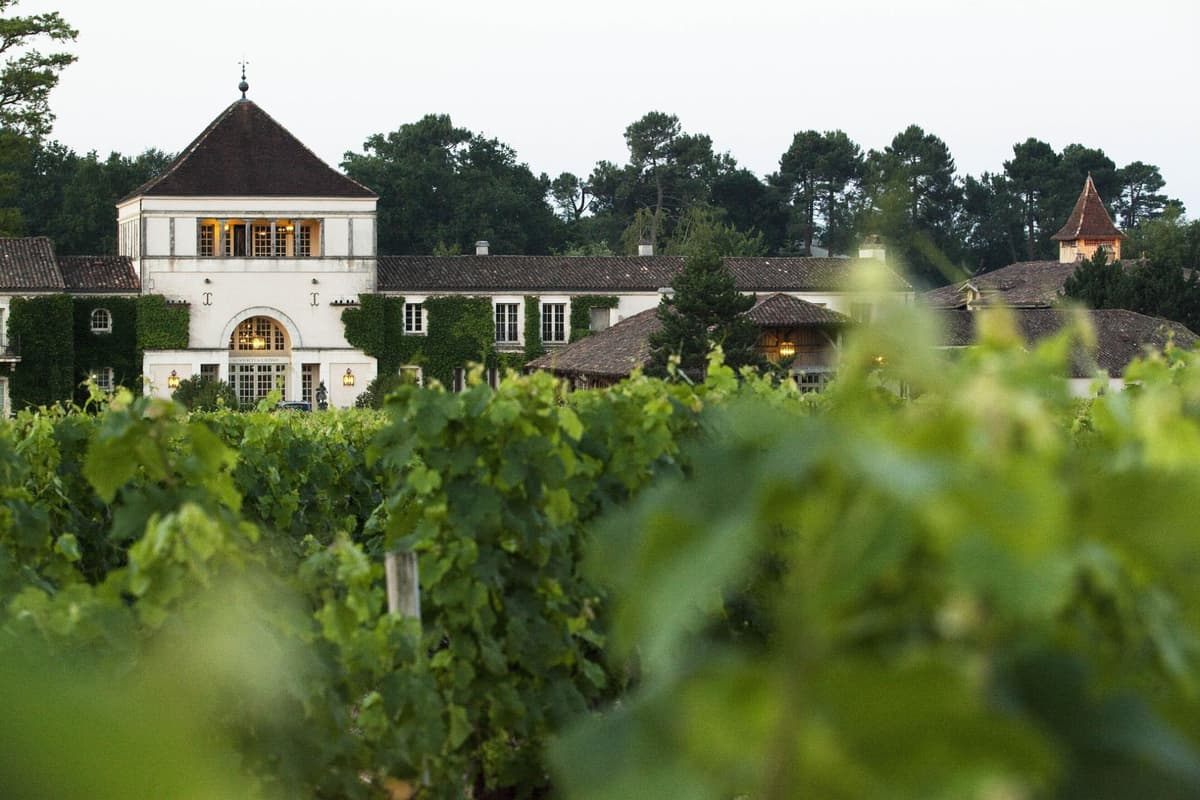

 Build your own directory


